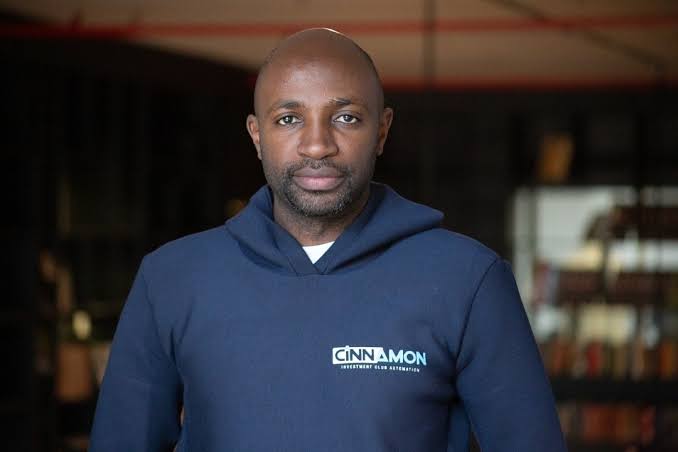

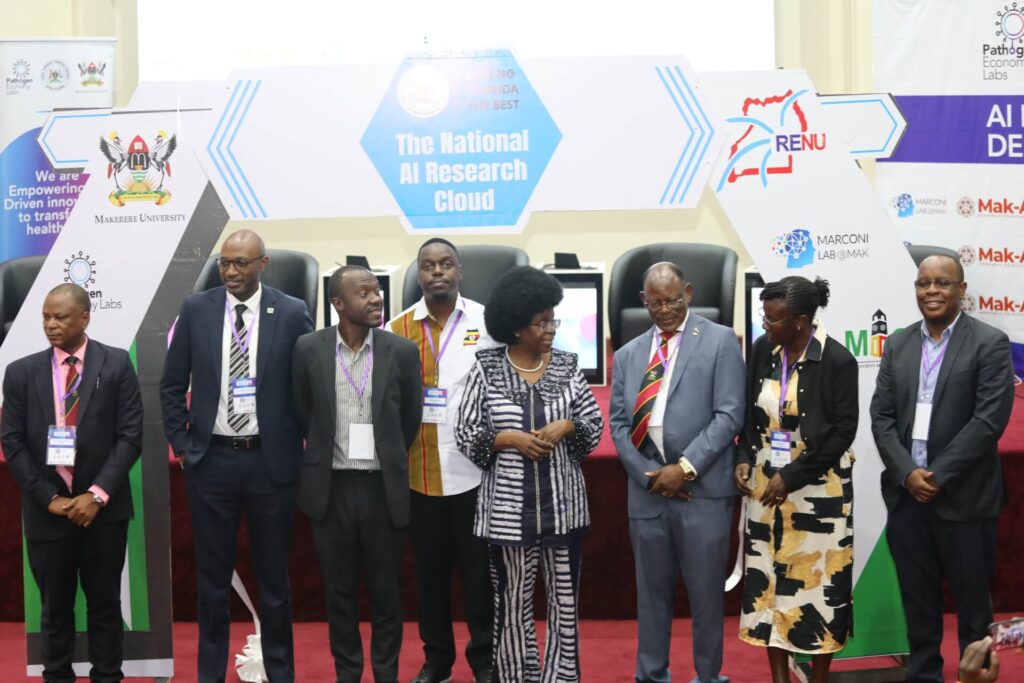
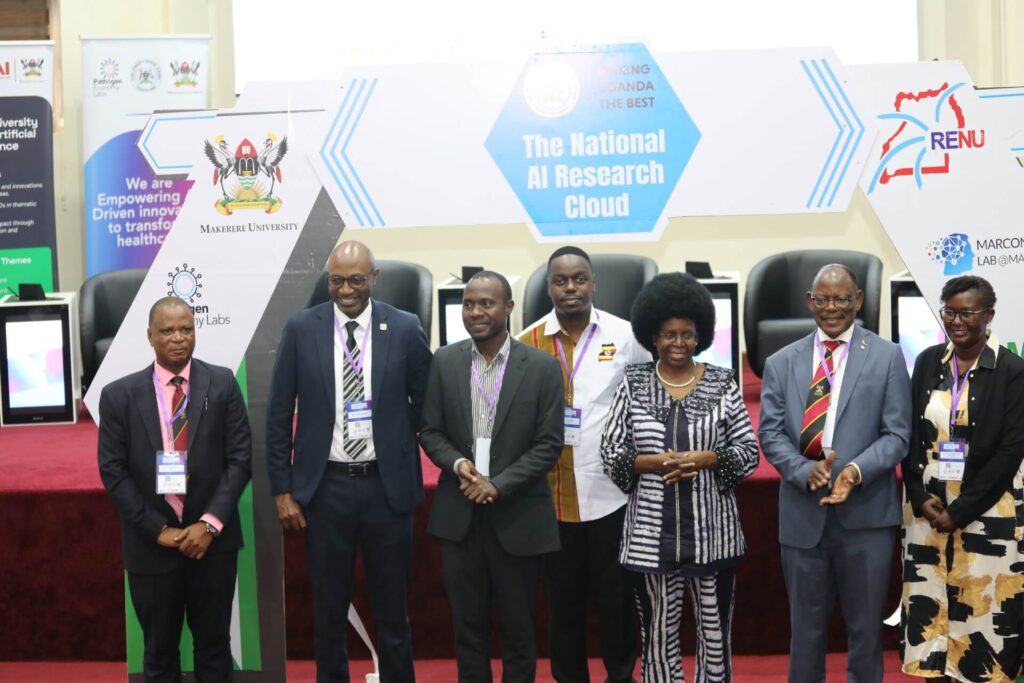
Recently, I had the privilege of joining Hon. Dr. Monica Musenero, Minister for Science, Technology and Innovation, Prof. Barnabas Nawangwe, Vice Chancellor of Makerere University, researchers, innovators, investors, and ecosystem leaders at Makerere University for what I believe was a significant milestone in Uganda’s technological journey: the launch of the National AI Research Cloud.
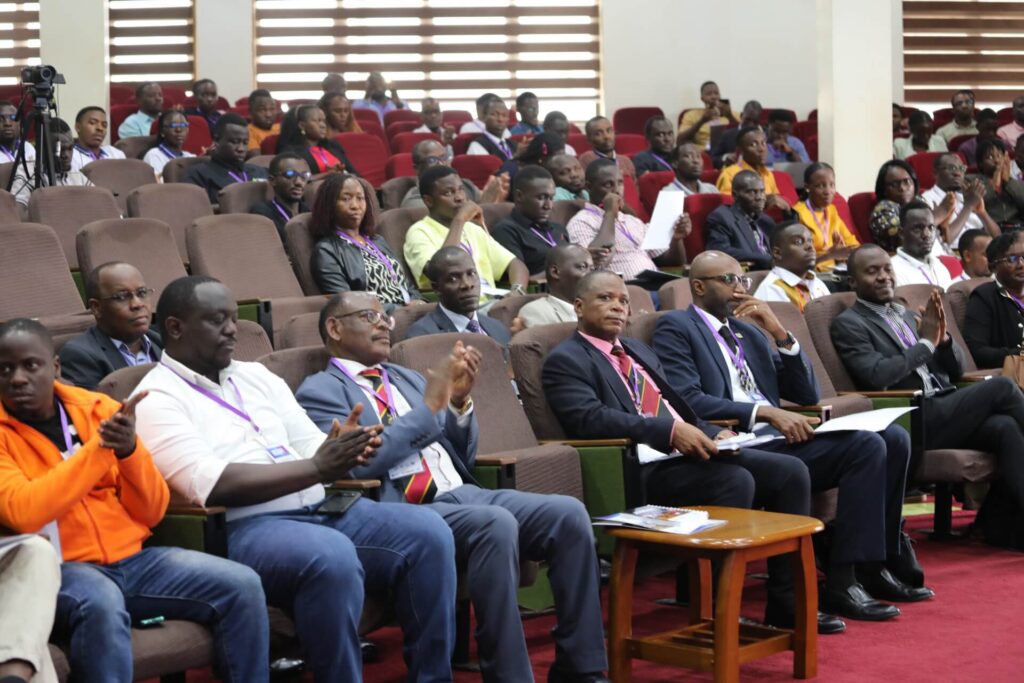
The occasion coincided with the AI Innovation Demo Day, an event that brought together some of Uganda’s most promising Artificial Intelligence startups, researchers, and innovators to showcase solutions addressing real-world challenges in healthcare, diagnostics, public services, and enterprise development.
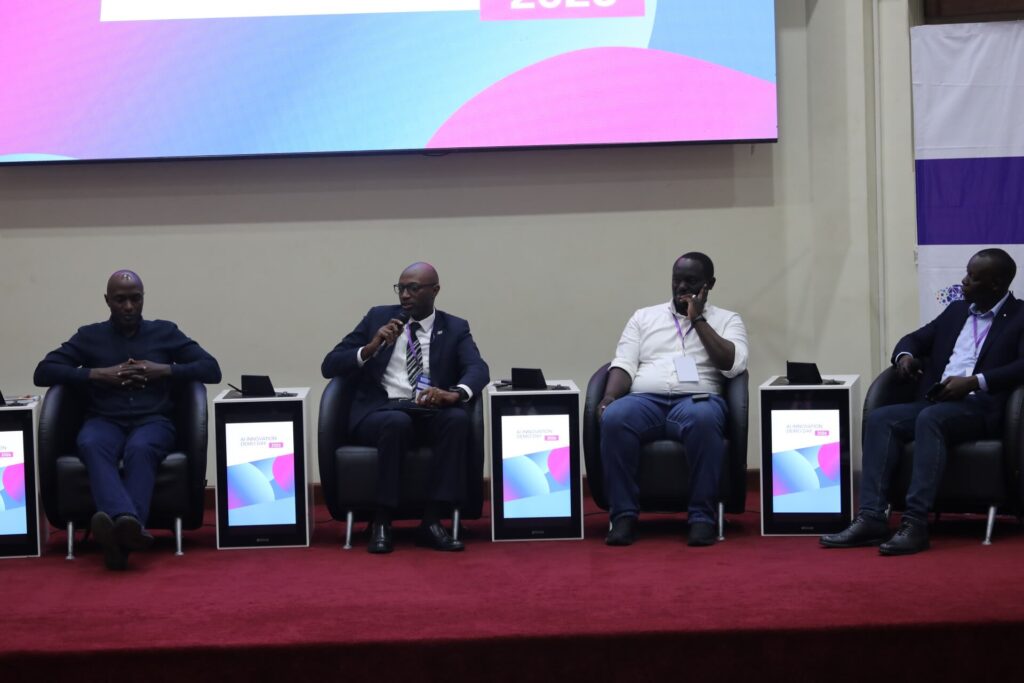
I was honoured to participate as a panelist, sharing insights on what early-stage AI founders must get right and the opportunities emerging within African markets. Having spent over sixteen years building technology companies and supporting digital transformation initiatives across government, private sector, and development organizations, the discussion was particularly meaningful because it highlighted a question many innovators continue to ask: How do we move from innovation to impact?
The launch of the National AI Research Cloud is important because Artificial Intelligence is no longer a future conversation. It is a present-day reality reshaping industries, economies, and societies across the world.
While many people interact with AI through applications such as ChatGPT, recommendation engines, fraud detection systems, and virtual assistants, fewer appreciate the infrastructure required to develop such technologies. AI requires significant computing power, storage, data management capabilities, and collaborative research environments. These are resources that many startups, students, and researchers would otherwise struggle to access.
The National AI Research Cloud changes that conversation.
For the first time, researchers, innovators, startups, and institutions in Uganda will have access to shared infrastructure that can accelerate experimentation, product development, and commercialization. It creates an environment where ideas can move more rapidly from research laboratories into real-world solutions.
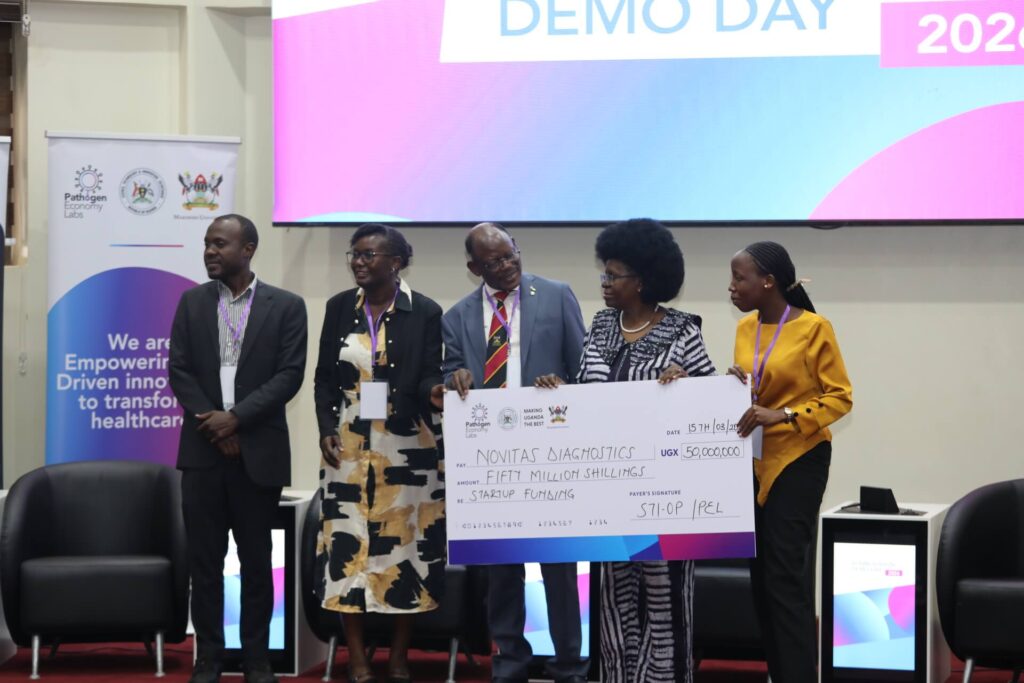
As I listened to presentations from innovators and startup founders during the event, one message became increasingly clear: Uganda has talent. We have young people capable of building world-class solutions. What they often lack is access to resources, infrastructure, networks, and commercialization pathways.
This is where initiatives such as the National AI Research Cloud become transformational.
However, infrastructure alone is not enough.
During the panel discussion, I emphasized that successful AI startups must focus on solving real problems rather than simply building impressive technology. Many innovations fail not because the technology is weak, but because the market need is unclear.
Founders must ask difficult questions:
What problem am I solving?
Who is willing to pay for this solution?
How does this improve lives, productivity, or business performance?
How will this innovation scale beyond a prototype?
The future belongs not to those who build the most sophisticated algorithms, but to those who create the greatest value.
The opportunities before us are immense.
Artificial Intelligence has the potential to transform healthcare through earlier disease detection and diagnosis. It can improve agricultural productivity through predictive analytics and advisory systems. It can strengthen financial inclusion, enhance educational outcomes, improve public service delivery, and drive industrial productivity.
For Uganda, the conversation should not simply be about using AI. It should be about building AI solutions that address African challenges.
For many years, Africa has largely consumed technology developed elsewhere. The emergence of local AI infrastructure presents an opportunity to participate more actively in creating technology rather than merely consuming it.
I was encouraged by the strong collaboration demonstrated at the event between academia, government, industry, researchers, and entrepreneurs. Sustainable innovation ecosystems are built when these stakeholders work together toward a common vision.
The launch of the National AI Research Cloud represents more than a technology investment. It represents confidence in Uganda’s innovators, researchers, and future builders.
As someone who has spent much of his career supporting entrepreneurship, innovation, and digital transformation, I left the event optimistic.
Africa may have missed previous industrial revolutions, but we have an opportunity to participate meaningfully in the Intelligence Revolution.
The responsibility now rests with all of us—government, universities, businesses, investors, and entrepreneurs—to ensure that this infrastructure becomes a catalyst for innovation, commercialization, job creation, and economic transformation.
The future of AI in Africa will not be determined by how much technology we consume.
It will be determined by what we choose to build.